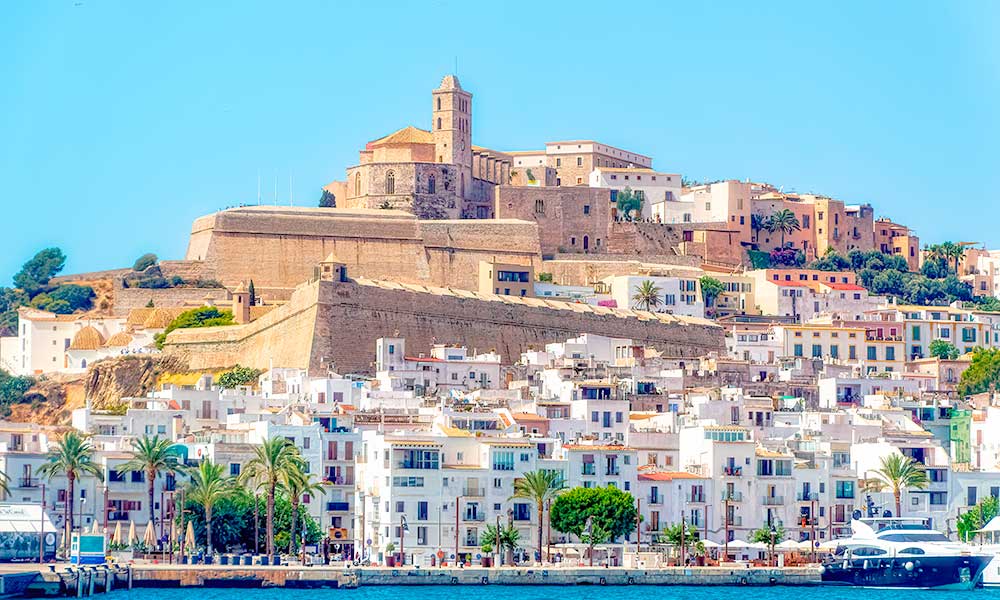




Ibiza town has the ancient charm of Mediterranean ports that have seen history pass before them and has the vibrant atmosphere of cosmopolitan destinations. Declared a World Heritage Site, you can find charming spots, museums, medieval houses, lanes full of maritime history, boutiques and a multitude of terraces, bars and restaurants. Are you coming along?
Called Vila by the Ibizans, the island’s capital is without doubt one of the visits that you must include in your trip, taking the time to climb to the top of Dalt Vila, “the city from above”, stroll along its walls and wander through the streets of La Marina, the neighbourhood that is very lively during the summer afternoons and evenings. From the sophisticated establishments that surround its marinas to the humble whitewashed houses that welcome you to its historic centre, Ibiza town reflects the island’s past and present.

Where is Ibiza town?
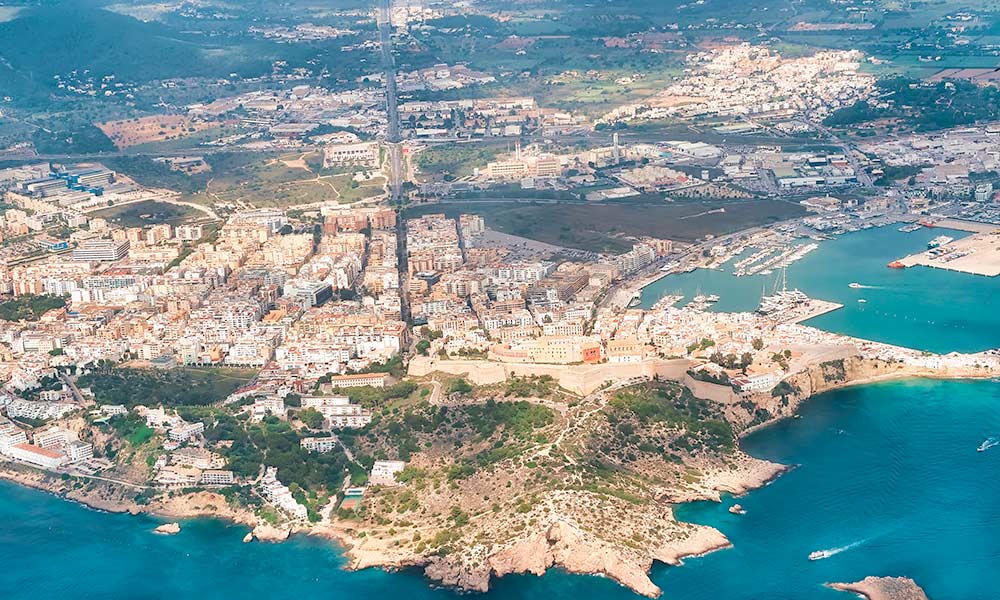

The capital of the island is located on the eastern side of Ibiza, 7 km from the airport, 17 km from Santa Eulària, 17 km from Sant Antoni, 30 km from Portinatx and 19 km from Amàre Beach Hotel Ibiza. The network of regular bus lines connects the city with the terminal area, the tourist hubs and numerous beaches, while a ferry service connects the port of Ibiza with Cala Llonga, Santa Eulària, Es Canar and Es Figureal, as well as with the island of Formentera.
The old town of Ibiza stretches along the southern side of the bay and includes the neighbourhoods of Dalt Vila, S’Alamera, La Marina and Sa Penya, as well as the Figueretes and Passeig Maritim neighbourhoods, with a wide range of nightlife and gastronomy.
How to get to Ibiza old town
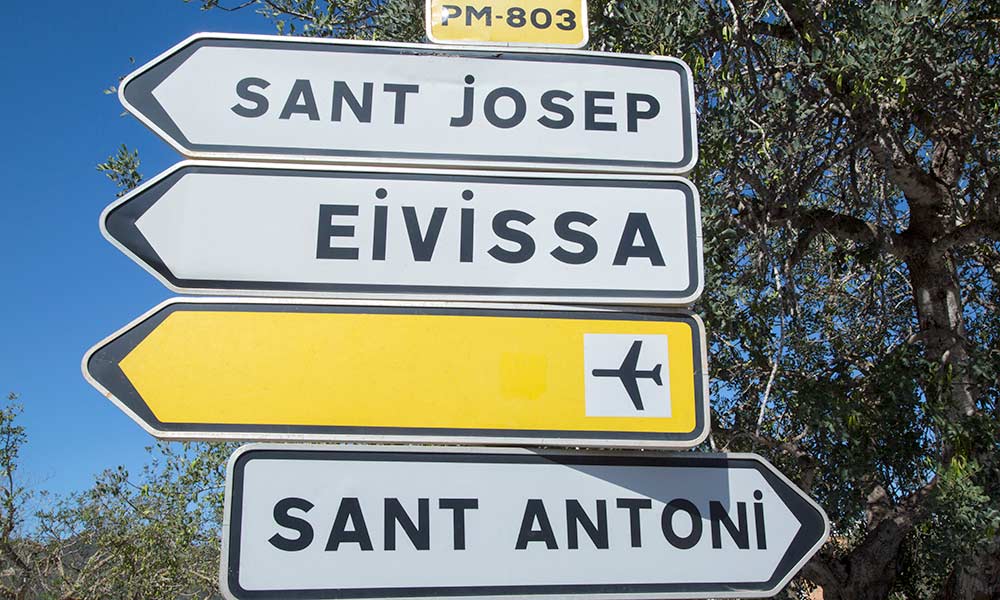
From the airport, you can take a taxi from the signposted rank outside the passenger terminal. Fares are calculated using a meter and vary according to the distance travelled, the time of day and any applicable surcharges, including the airport surcharge.
You can also travel by bus. The AERO2 service connects the airport with the CETIS bus station via Sant Jordi. The AERO3, meanwhile, provides an express connection between the airport and the Port of Ibiza, with a stop on Avinguda d’Isidor Macabich. This service operates to a seasonal timetable, so it’s advisable to check the latest schedule before travelling.
Ibiza town also has regular connections with the island’s main towns and resorts. The T1 and T2 services connect the capital with Sant Antoni. The first travels via Sant Rafel, while the second passes through Sant Josep. The combined T3 and U6 services connect Ibiza town with Santa Eulària and Es Canar. The network also includes other urban and interurban routes serving villages, beaches and tourist areas across the island.
If you arrive by sea and your ferry or cruise ship docks at the Botafoc breakwater, you can reach the town centre by taxi or take the UE9 urban bus. This service connects the breakwater with Sa Riba in the Old Port. Its frequency and operating days vary throughout the year, so it’s also worth checking the timetable before setting off.
The network also includes night buses and specific services to beaches and nightlife areas. These routes may vary depending on the season and the day of the week.
From Iboshim to Ibiza: a walk through the history of the city
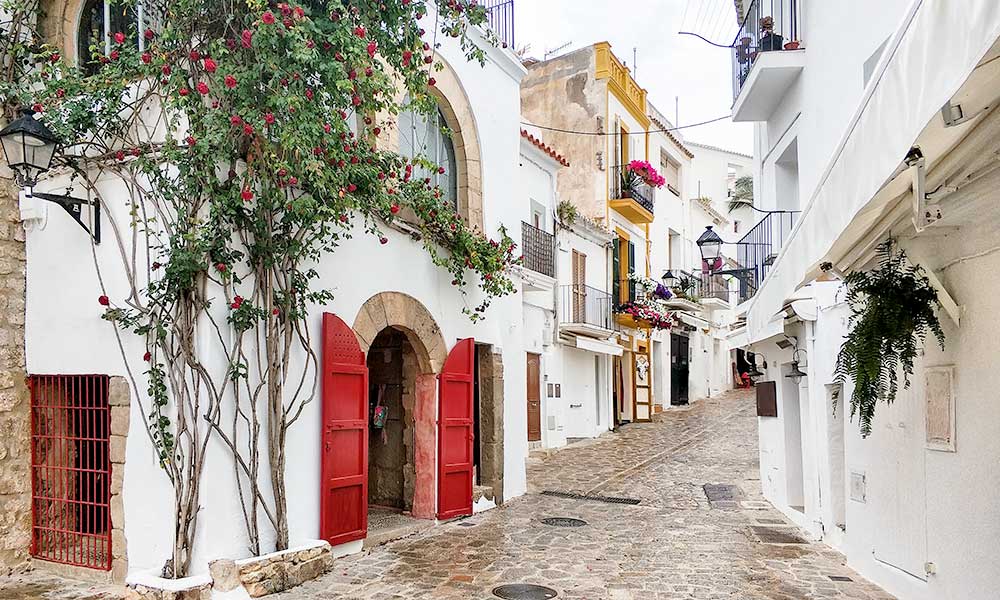
More than 2,500 years await in the streets of Ibiza in a dizzying journey through time that will take you from the 7th century BC to the present day. Iboshim, meaning the city of Bes, was the name given by the Phoenicians when they settled in this enclave, from where the acropolis and the harbour in the bay began to develop. The trading of the Phoenicians put the city on their trade routes, through which they exported manufactured goods. Nothing of this past remains visible in the streets of Dalt Vila, although it can be seen in the Archaeological Museum and in the Punic-Phoenician necropolis of Puig des Molins, the most extensive and best-preserved in the Western Mediterranean, included in the declaration of Ibiza as a World Heritage Site.
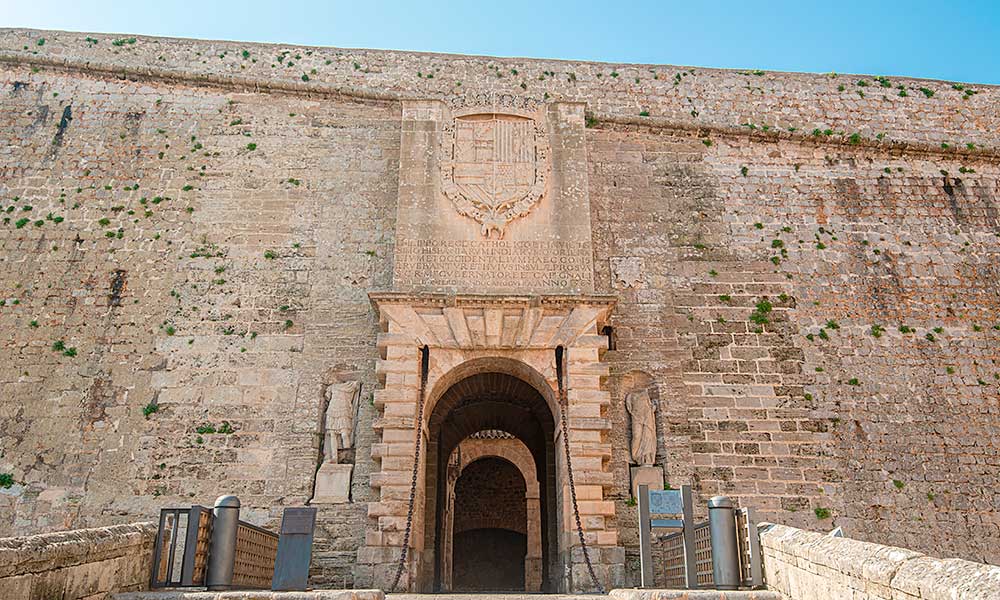
The Romans’ passage through the city hardly left a trace, except for a change of name from Eboshim to Ebusus until the island fell under Arab rule in the 10th century, when it was christened Madina Yabisah. This period, unlike the Roman period, did leave remains in the city, such as the walls of the citadel and several towers that made up the old city walls. This flourishing period of the city ended on 8th August 1235, the date on which the Catalan troops of King Jaume I conquered the island, converting it to Christianity and integrating it into the prevailing feudal system. Eivissa was born, the toponym in Catalan that was later Spanishified as Ibiza. From then on, the city grew, incorporating the Gothic and Renaissance houses that you can see today, as well as its walls, a masterpiece of civil engineering declared a World Heritage Site.
What to see in Ibiza town?
Most of the places of interest to visit are to be found within Dalt Vila, the inner city quarter, while the historic quarters of La Marina and S’Alamera are where the greatest variety of shops, terraces and restaurants can be found. One of the best ways to delve into the history of the island’s capital is by joining one of the theatrical guided tours provided by the town hall during the tourist season, which go along the narrow streets of Dalt Vila while recounting legends and historical stories. As dates and times vary every year, you can check the latest information on the website of Tourism of Eivissa.
Dalt Vila
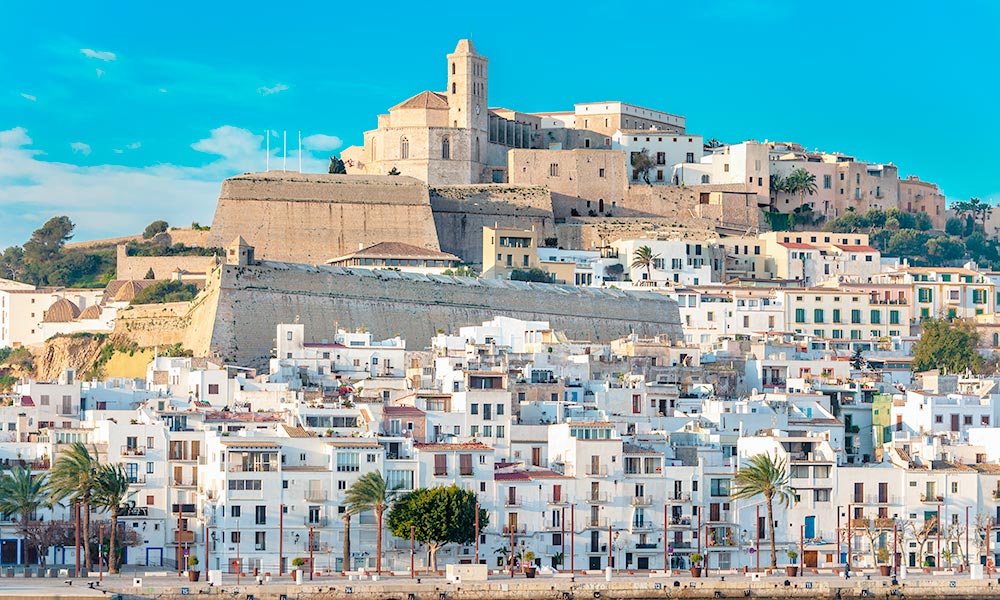
The early morning or the late afternoon are the best times to discover Dalt Vila during the summer. You can explore the oldest part of the city by wandering around at your own pace or by following a route that starts at the Portal de Ses Taules, continues to the bastion of Santa Llúcia and from there winds its way up towards the Cathedral, then follows the city walls until you reach the Plaça del Sol and, shortly afterwards, ends at the Plaça de Vila. Depending on how much time you have, we recommend that you stop in the museum areas and in front of the information panels located along the walls, in order to learn all about the citadel designed by Giovani Battista Calví, an example of defensive architecture that was imported to Latin America.
Museums to visit in Dalt Vila
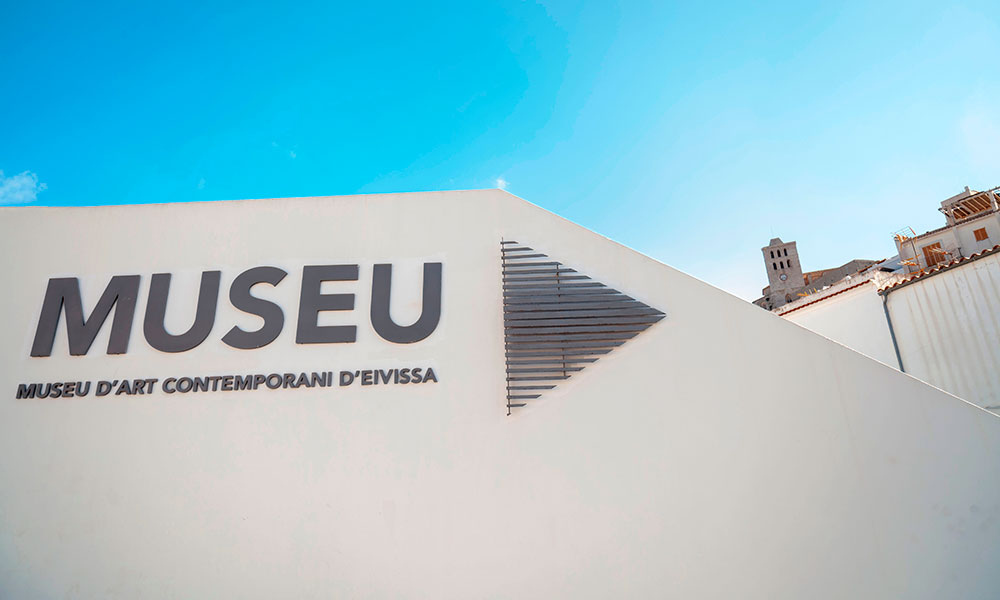
Museum of Contemporary Art of Ibiza MACE: A permanent collection of paintings, prints and posters created from the 1960s onwards by national and international artists.
Puget Museum: The collection of 130 watercolours, oil paintings and drawings by Narcís Puget Viñas and his son Narcís Puget Riquer will bring you closer to Ibiza in the first half of the 20th century.
Madina Yabisa Interpretation Centre: discover what the city was like in the times of Arab rule with this recreation that also shows you what part still survives.
Puig des Molins Museum-Necropolis
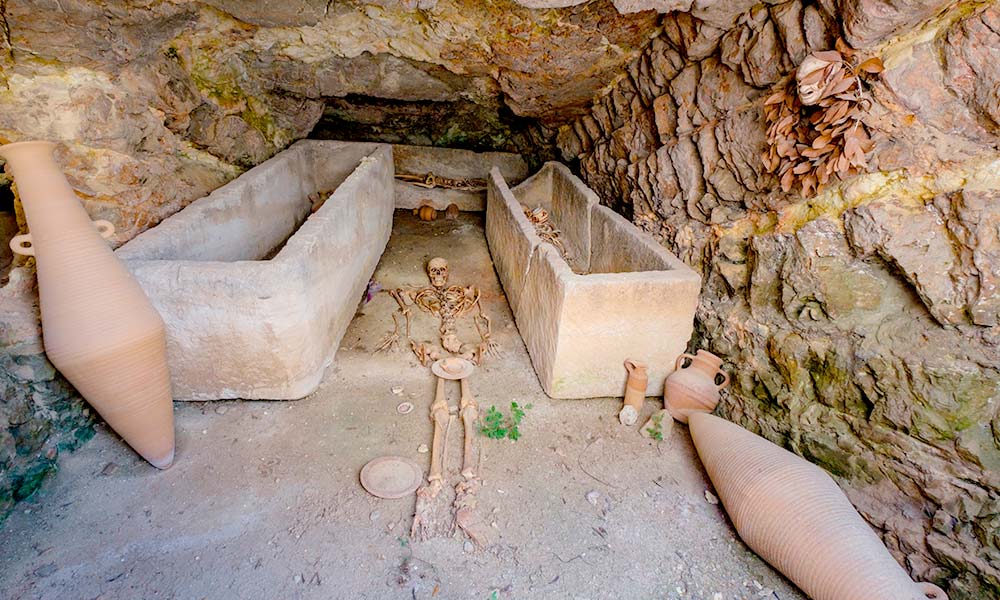
Over 3,000 hypogeum underground tombs have been excavated in the largest and best-preserved Punic-Phoenician necropolis in the Mediterranean. During your visit you will be able to see some that remain open to the public as well as the museum’s permanent collection, where Phoenician, Punic and Roman artefacts are on display.
Broner House
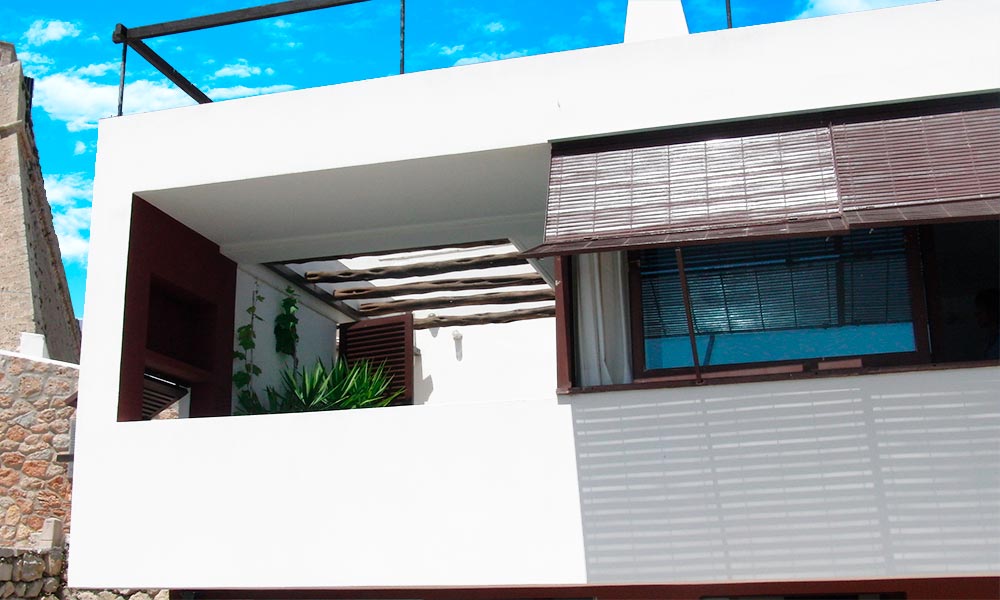
Located in the seaside neighbourhood of Sa Penya, this house designed by the architect and painter Erwin Broner in 1960 is an interesting example of rationalist architecture.
La Marina and S’Alamera
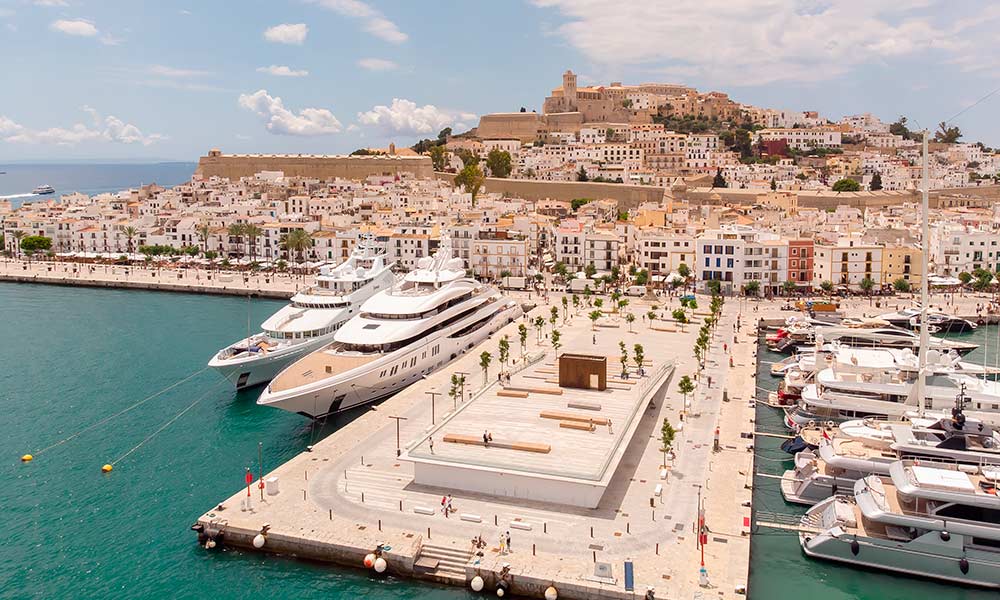
These two neighbourhoods have a lot of charm. La Marina is reminiscent of not too long ago when traders, sailors and travellers fresh off the boat walked through its streets, while S’Alamera preserves the colonial spirit brought with them by the Ibizans who returned from Cuba at the end of the 19th century. The Mercat Vell, in the Plaça de la Constitució; the Plaça del Parc, the Plaça de Vara de Rey, the Monument to the Corsairs and the Monument to the Hippies are other icons of the city that you can’t afford to miss.
What to do in Ibiza town
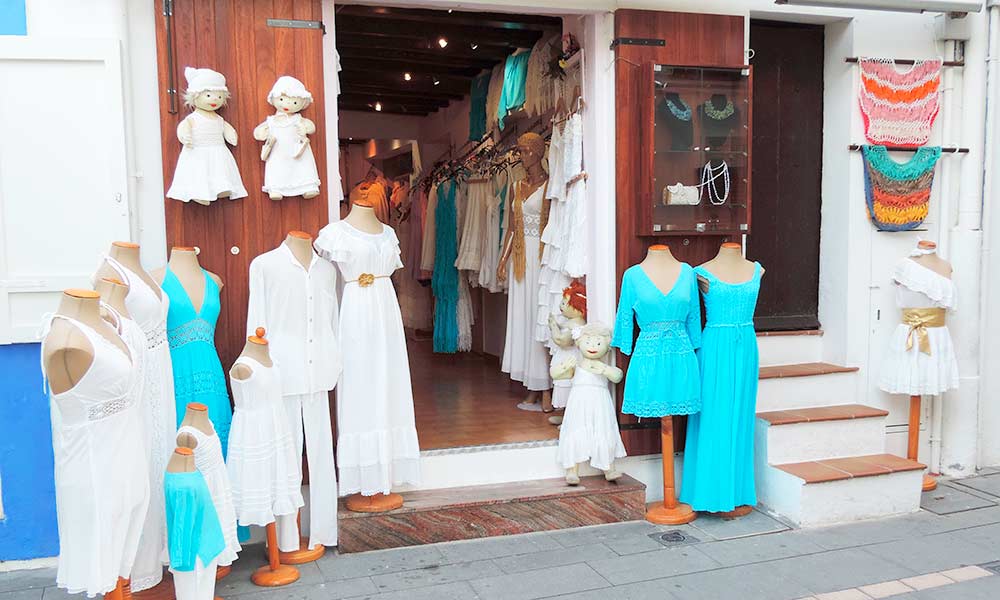
In addition to its attractions, Ibiza town offers a wide range of nightlife, boutiques, restaurants and terraces during the summer months. And not only in the centre of Ibiza, but also in the area known as Passeig Marítimo or Puerto Nuevo, where you can find sophisticated restaurants and, very close by, the famous Pachá and Lío Ibiza nightclubs. But apart from these leisure plans, in Ibiza town you can also go for a swim at the beaches of Figueretes and Talamanca, as well as take a boat to Formentera for the day.
Where to eat traditional cuisine in Ibiza
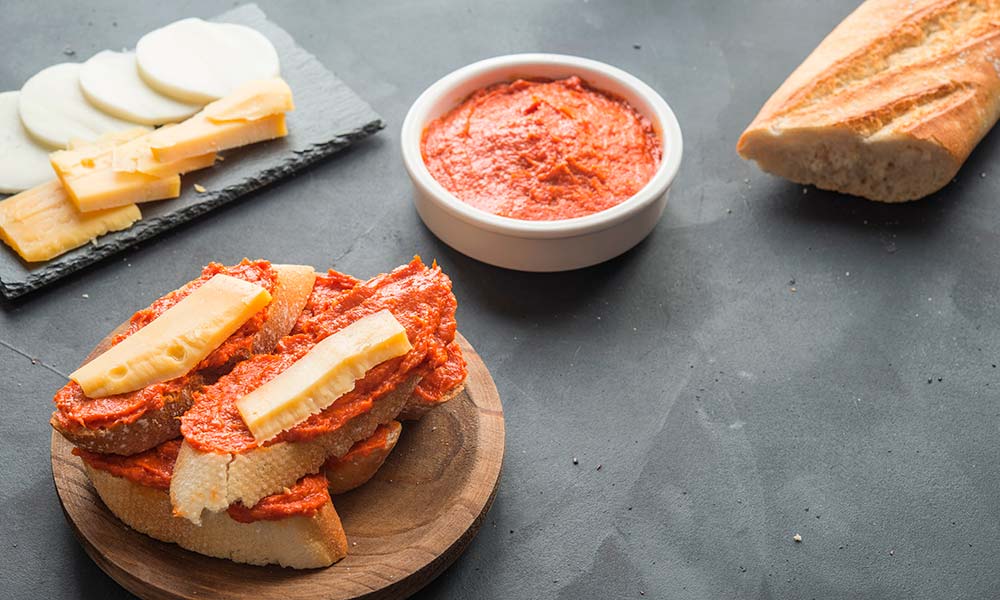
In the island’s capital you’ll find great places where you can try the traditional dishes of Ibiza, as well as other establishments featuring home-made cuisine that form part of the history of their neighbourhoods.
Bar San Juan
This establishment with access from two streets is the oldest restaurant in Ibiza, and was founded in 1874. During the summer, in addition to the tables in two small lounges, there is a terrace that opens onto the pedestrian street, at the rear. You’ll find home-made cuisine, with some specialities from Ibizan cuisine.
Carrer de Guillem de Montgrí, 8
Tel.: +34 971 311 603
Google Maps
Ca n’Alfredo
Open since 1941, on the menu of this renowned restaurant you’ll find the most popular traditional Ibizan dishes, such as squid stuffed with sobrasada sausage, guisat de peix, bullit de peix fish stews and Ibizan lobster stew, among other specialities.
Paseo de Vara de Rey, 16
Tel.: +34 971 311 274
Google Maps

Can Costa
A traditional family restaurant with home cooking, located in the Marina neighbourhood. It’s one of the few traditional establishments that survive in the port area.
Carrer de sa Creu, 19
Tel.: +34 971 310 865
Google Maps
Sa Nansa
Located in the Botafoc neighbourhood, on the other side of the bay, this is another of the best places in the city to try Ibizan sea dishes, such as the traditional borrida de ratjada (a tasty ray fish stew) and rice with espardenyas (sea cucumbers).
Avda. 8 de Agosto, 27
Tel.: +34 971 318 750
Google Maps
Crafts, shopping and other activities

If you’re interested in crafts, and you would like to learn about their uses and manufacture, then on your visit or stroll through the city of Ibiza you can try some of the activities offered by Ibiza Eco Activities in the capital of the island, such as grass weaving workshops or painting on canvas workshops.
Another way to discover the historic establishments of the old quarter is to visit the traditional shops that still survive in the Marina neighbourhood, such as Sombrerería Bonet (c/ Comte de Rosselló, 6) and the basket shop Can Vinyes (c/ sa Creu, 34), as well as the fashion boutiques Adlib Catalina Bonet (C/ Enmig, 11), Ad Libitum (c/ Bisbe Cardona, 10), Charo Ruiz (Av. de Bartumeu Ramon i Tur, 3), Pepa Bonett (c/ Balears, 6) and Bamba Adlib (c/ d’Antoni Palau, 5). If you want to try traditional confectionery, you can buy them at the cloistered convent of Sant Cristófol, in Dalt Vila, or the traditional pastry shops that you’ll find in the neighbourhoods near the historic centre: Forn de Can Vadell (c/ de Canàries, 1) and Bonanza (c/ de Castella, 1).
Festivals and events held in Ibiza city

Throughout the year, and especially during the tourist season, in the city of Ibiza there are fiestas, events, sporting competitions and festivals that you should make a note of in your diary.
Ibiza Marathon (abril)
This is one of the fastest growing marathons in the country, as well as being the most famous sporting event on the island. It’s held in April and connects the towns of Ibiza and Santa Eulària des Riu over three distances: Marathon, 22 km and 12 km.
Ibiza Medieval Fair (May)
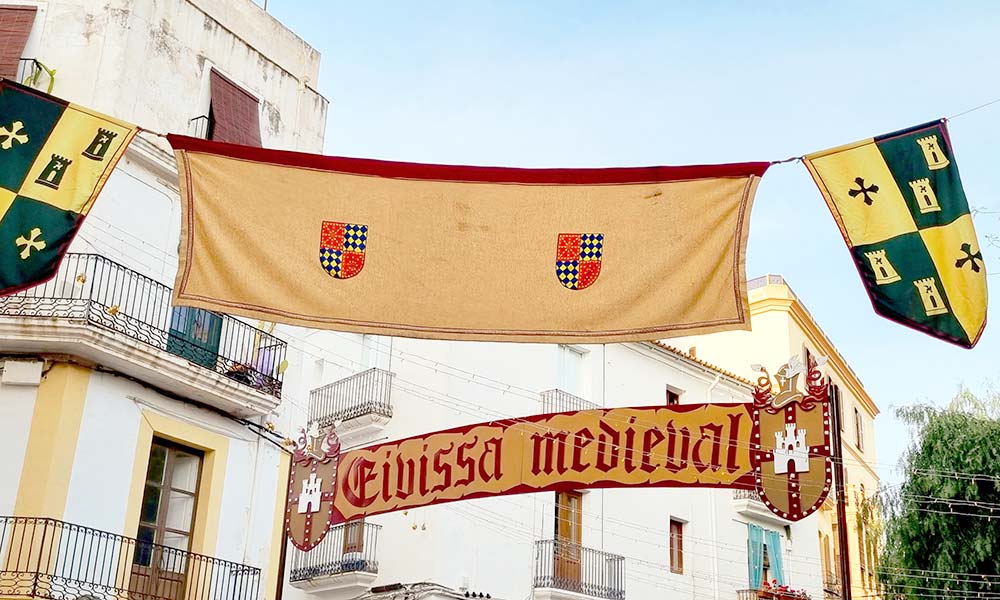
During the second weekend of May, an extensive and lively medieval market is held in the old town, with numerous food and craft stalls, as well as musical and theatrical performances.
SLD (May-June)
For three or four days, this festival of indie, alternative, rock and fusion music brings together numerous national and international musical artists, spread over different stages located in the Marina neighbourhood. There is also street art, markets and a food area.
Ibiza Gay Pride (June)
For a week, the Marina district is dedicated to this lively celebration that offers a complete programme of activities, including conferences, shows, exhibitions, concerts, parties and, of course, the parade.
Festivities of the Earth (August)
During the first week of August, the city of Ibiza celebrates its patron saint fiestas with an extensive programme that includes traditional activities and modern shows. If you’re in Ibiza on 8 August, don’t miss the great fireworks display that starts at midnight.
Bloop International Proactive Art Festival (August)
This multidisciplinary urban art festival is held over almost two weeks in the Marina neighbourhood and other parts of the city. Its programme includes: interactive installations, murals and graffiti created by renowned international street artists, photography and video art exhibitions, musical performances, etc. ..
Eivissa Jazz (September)
This is one of the essential events among the summer festivals on the island of Ibiza. At the beginning of September, for five days, the Marina neighbourhood and the bastion of Santa Llucía host performances by local, national and international artists, including major figures from the jazz scene.
Territori, International Performance Arts Festival (September)
Held during the second half of September, this festival dedicated to performance art and artistic expression offers over 10 days of talks, audio-visual sessions, workshops for artists and, of course, performances, which are given both in the city and in other parts of the island.
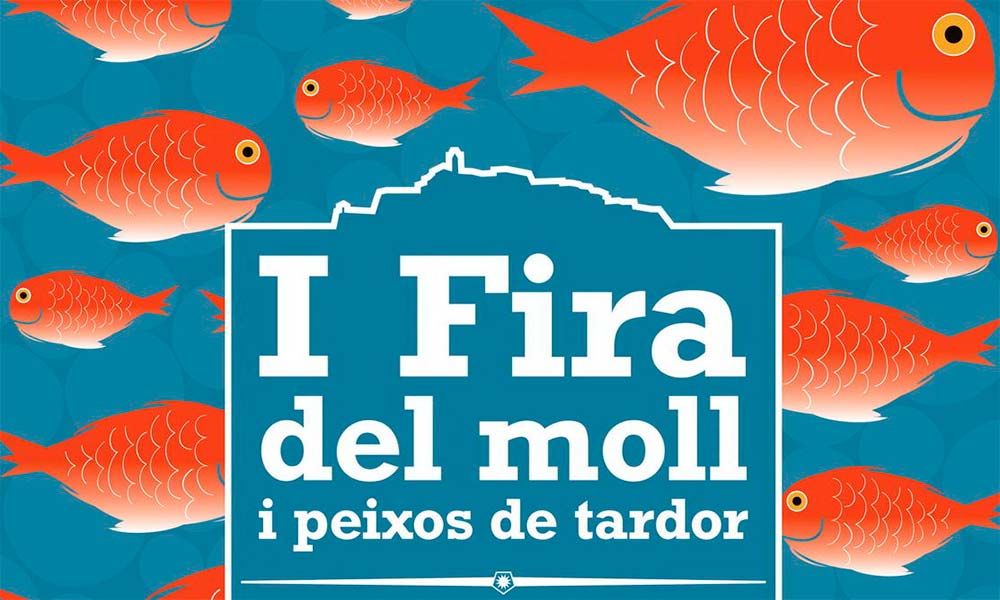
Fira del Moll i Peixos de Tardor (Autumn Fish Fair) (October)
On the first Saturday of October, this gastronomic day is held in Martell Square, in the old port of Ibiza. Activities include tastings, gastronomic workshops, the unloading of fish in the harbour with the brulada de corn -the traditional call that fishermen used to make with giant seashells-, a parade, musical performances and traditional dance.
Ibiza Light Festival (October)
Around the 12 October the city is dressed in colour at night with this show given by light artists and video artists who display their works in and around iconic places and monuments in La Marina and Dalt Vila.
Ibiza Half Triathlon (October)
Consisting of 2 km of swimming, 90 km of cycling and 21 km of running on foot, this sporting event is open to registered athletes and people in good physical condition for this type of competition.
Two popular races around Dalt Vila: Eivissa World Heritage Site and Pujada a la Catedral races (December)
The Eivissa World Heritage Site race, which is 10-km long, runs through the entire area of the city included within the World Heritage Site, including the neighbourhood of Dalt Vila, which is also the star of the other popular event of the month that is held on 31 December: the traditional Pujada a la Catedral race, open to everyone.
Tips and advice for enjoying Ibiza town
Ibiza town combines history, shopping, gastronomy, beaches and nightlife, so it deserves more than a quick visit. Planning your route will allow you to explore Dalt Vila at a relaxed pace, wander through the streets of La Marina and leave time to enjoy its terraces, museums and views across the port and bay.
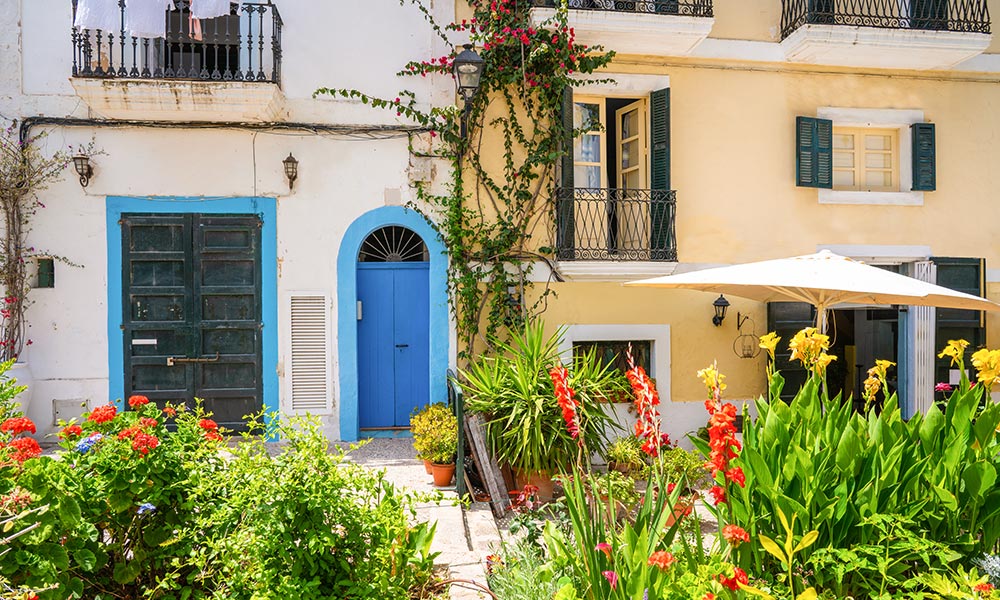
Choose the best time to explore Dalt Vila
During the summer months, the best time to visit Dalt Vila is early in the morning or in the late afternoon. You’ll avoid the hottest part of the day and be able to explore its streets, walls and bastions more comfortably.
One option is to begin your visit before the heat builds, stop at one of its museums and finish your walk in La Marina. You could also climb up at sunset to watch the changing light over the port before having dinner in the historic quarter.
Wear comfortable footwear
The streets of Dalt Vila include steep slopes, steps and cobbled sections. Choose closed shoes or footwear that fits securely, with soles that provide a good grip. Flip-flops can be uncomfortable and slippery along certain parts of the route.
During the summer, remember to bring water, sun cream, sunglasses and a hat or cap. Although you’ll find places where you can stop for a break, much of the visit takes place outdoors.
Plan your route before you start
Dalt Vila was built on a hill, so it’s a good idea to plan your route and avoid climbing the same slopes more than once. The classic route begins at the Portal de ses Taules, crosses the parade ground and continues through Plaça de Vila towards the streets and monuments in the upper part of the fortified town.
From there, you can continue towards the bastions, the Cathedral and the viewpoints before gradually making your way back down to La Marina. Check a map in advance and choose the places that interest you most according to the time you have available.
The historic layout includes slopes, steps and uneven surfaces, which means that not every area is easily accessible. When travelling with someone with reduced mobility, check the accessible routes and tourism resources provided by Ibiza Town Council before your visit.
Check opening times before your visit
Opening times for museums, monuments, markets and guided tours may vary depending on the time of year. Check the latest information before setting out, especially when visiting outside the main tourist season or on a public holiday.
It’s also a good idea to check the town’s cultural calendar. Concerts, local festivities, markets and festivals may make certain areas busier, but they can also turn your walk into an even more memorable experience.
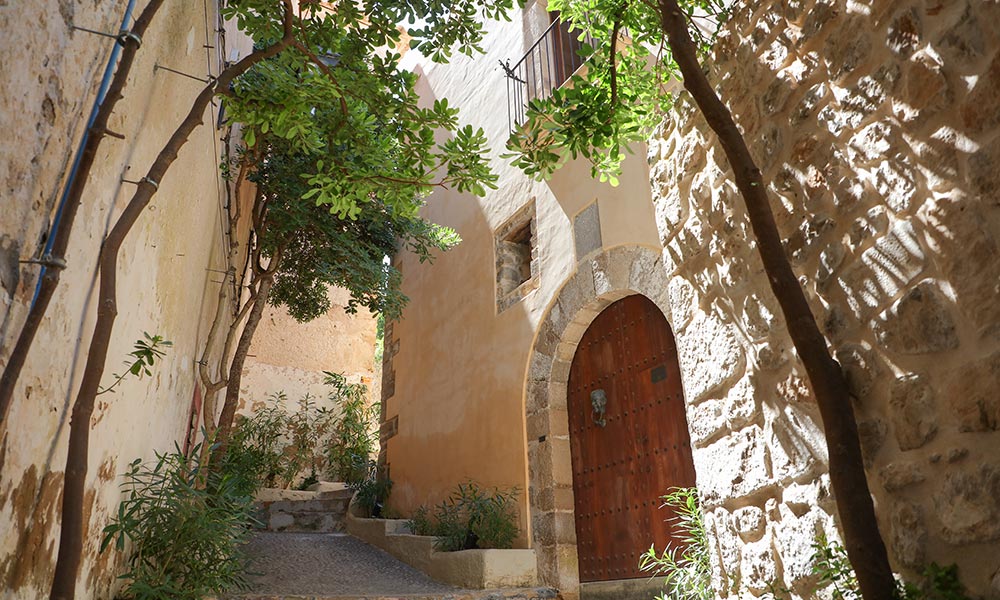
Explore on foot or use public transport
The historic centre is best explored on foot. The streets of Dalt Vila and La Marina are narrow and form part of restricted traffic areas, while finding parking nearby can be difficult during the busiest months.
Whenever possible, travel by bus or taxi, or use one of the car parks outside the historic centre. Check public transport routes and timetables before setting out, as some services and frequencies vary according to the season.
Book ahead for lunch or dinner
Ibiza town offers a wide range of places to eat, from restaurants serving traditional cuisine to international and signature dining options. When you have a particular restaurant in mind, book in advance, especially during the summer and at weekends, and check the kitchen’s opening hours.
To discover the island’s traditional flavours, try specialities such as bullit de peix, guisat de peix, sobrasada, flaó or greixonera.
Combine sightseeing with a swim
After exploring Dalt Vila, you can complete your day with a swim at ses Figueretes or Talamanca. Ses Figueretes is within the town itself and can easily be reached on foot, by bicycle or by public transport. Talamanca, located in a bay next to the port, is the longest beach in the municipality.
Another option is to walk along the harbour quays or visit the seafront promenade at ses Figueretes, where you can enjoy an attractive view of Dalt Vila’s fortified skyline.
Respect the surroundings and local residents
Dalt Vila, La Marina and Sa Penya are more than tourist attractions. They are also historic neighbourhoods where people live throughout the year. Keep noise to a minimum at night, avoid blocking doorways or narrow streets, and dispose of your rubbish in the designated bins.
Respect the walls, monuments and signposted areas. Don’t climb on historic structures to take photographs, and take extra care around the bastions and viewpoints, especially when visiting with children. Looking after this heritage will help preserve its beauty and authentic character.
Travelling to Ibiza: everything you need to know
When is the best time to visit Ibiza?
43 things to see and do in Ibiza
Recharge your batteries at Amàre Beach Hotel Ibiza
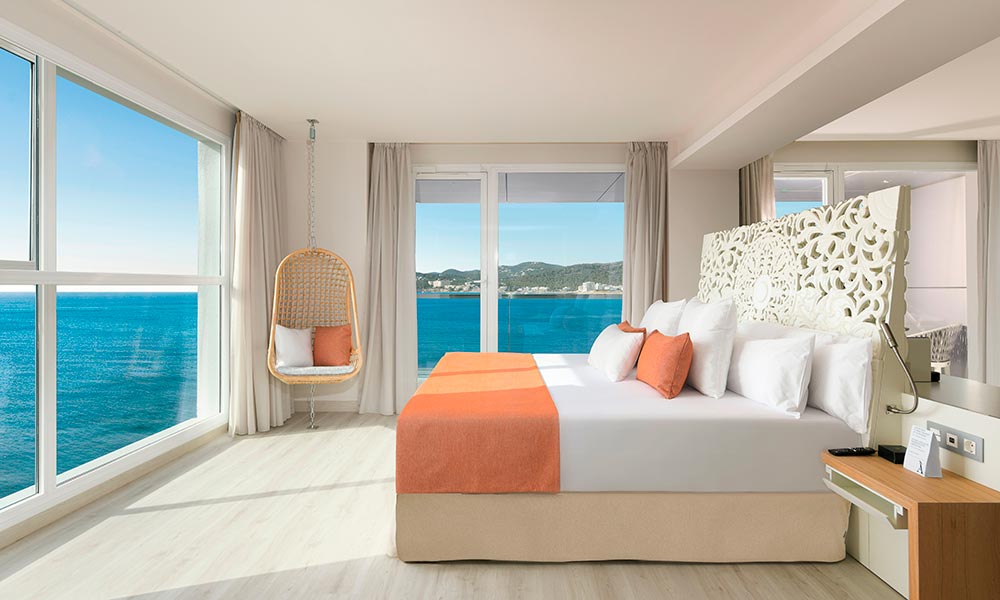
Visiting Ibiza town and enjoying the night in its terraces, bars and clubs is exhausting, so don’t hesitate to alternate your day of action with a day of absolute relaxation in our recommended hotel for adults in the bay of San Antonio, where you will find everything you need to pamper yourself as you please: two swimming pools, exquisite contemporary cuisine, massages and cosmetic treatments, sunset views and, if you have chosen the The One service, a large private lounge with sea views, drinks and snacks.
Summer is here. Enjoy!